

Your phone dings to alert you to motion by your front door. You immediately open the app to see who’s on your front porch. Sweet! It’s just a courier dropping off your much-awaited package. Nothing to worry about. In fact, now you’re excited to return home to open it.
But just as you’re closing the app, something catches your eye. You realize you can also see your neighbour’s front step or kids biking past on the street. Is that allowed? Legal? You don’t want to invade anyone’s privacy. What are the doorbell camera laws in your area?
Because video doorbells are so easy to install and provide valuable evidence if an intruder tries to gain access to your home, they’ve become very popular—with a 19% year-over-year increase in installations worldwide. In many areas, they’ve transitioned from luxury tech to a standard home appliance.
Yet, because they’re placed at your front door, they may see (and hear) more than you might think—well beyond your own porch or drive. So, what can your doorbell legally record? And what type of doorbell privacy issues should you be aware of?
Let’s take a look.
Security vs. Privacy
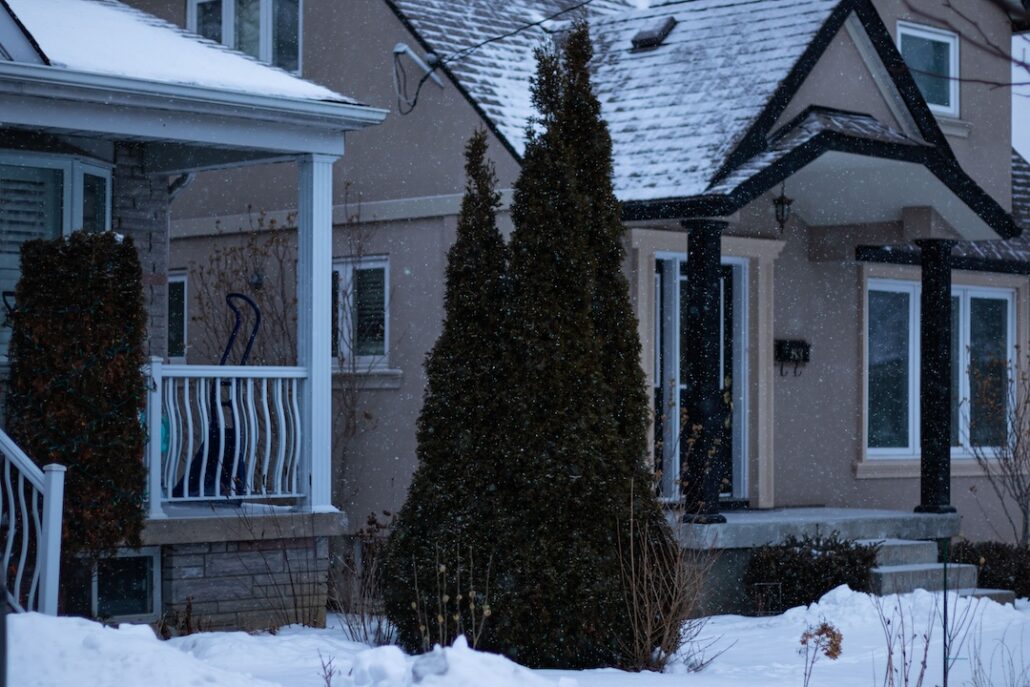
Most home security cameras are carefully placed to aim at a driveway, back door, or side yard while avoiding your neighbour’s property. Doorbell cameras, though, are different. They’re typically mounted at about face height with a wide-angle lens (often 150+ degrees). They naturally capture not only whoever rings your doorbell but the street behind them. Depending on how your home is designed, that means they could also record your neighbor’s front door, the sidewalk in front of your home, or the grassy community space for your neighbourhood, or even the view into someone else’s living space. Whether intended or not.
That’s the root of the legal question: are you recording an area where people may reasonably expect privacy? Doorbell cameras test the line between security and privacy more often than other home security measures. And because Canada’s federal privacy law (PIPEDA) generally doesn’t apply to personal household use, the doorbell camera laws with the most consequences depend on where you live.
Doorbell Camera Laws by Province
There’s no single Canadian “doorbell law.” Instead, your rights and responsibilities come from a patchwork of federal criminal law, provincial privacy legislation, and court decisions. Depending on where you live, a neighbour who feels your camera has intruded on their privacy may have a harder—or easier—path when it comes to legal action. Here’s a brief look at the mosaic of laws to be aware of:
| Province/Territory | Key Law | What It Means for Doorbell Owners |
| Canada | Criminal Code (Interception of privacy communications, voyeurism) | Recording conversations you’re not a part of or recording people in private settings can be a criminal offence anywhere in Canada |
| British Columbia | Privacy Act | Neighbours can sue for invasion of privacy—even without proving they suffered harm |
| Saskatchewan, Manitoba, Newfoundland and Labrador | The Privacy Act | Privacy violations can be taken to court as a standalone claim |
| Ontario | Common law (“intrusion upon seclusion”) | Courts recognize privacy claims for serious, deliberate intrusions |
| Quebec | Civil Code and Quebec Charter of Human Rights and Freedoms | Among the strongest protections, including a person’s right to their own image |
| Alberta, Nova Scotia, New Brunswick, PEI, and the territories | No privacy statute for individuals | Claims are possible but less settled; criminal and bylaw rules still apply |
Caveat: It’s important to remember that privacy laws change. The table above offers a general overview of the laws as we understand them. We are not lawyers, and this is not legal advice. Always check with your provincial privacy commissioner or a lawyer.
Video vs. Audio: Two Very Different Risks
When it comes to capturing video, the rules are fairly intuitive. You can capture public sidewalks or streets in the background. People on a public street don’t expect complete privacy when in public spaces. Issues tend to arise only once the camera is directed toward areas that can reasonably be considered private. Think front windows into their home, entryways, or fenced yards, for example.
The bigger risks when it comes to Canadian doorbell laws are the audio recordings. Under Canada’s Criminal Code, it’s illegal to record a private conversation unless at least one person in it consents.
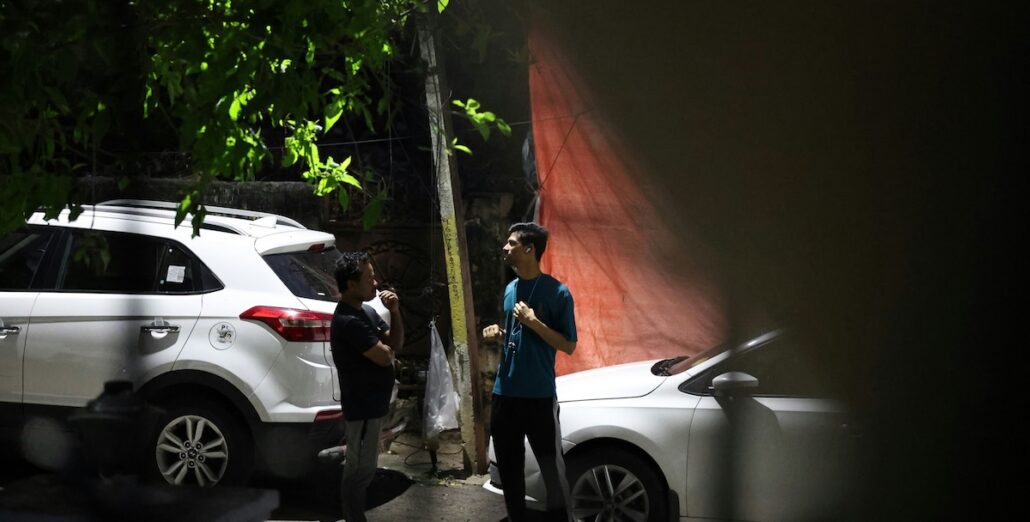
Many doorbell cameras record audio by default, and as mics have improved, they’re more likely to pick up passersby, delivery drivers on their phones, or neighbours chatting as they pick up their mail. If you’re not part of those conversations, you can’t consent for them.
Two-way talk (that is, speaking with a visitor through the app) differs from continuous or even motion-triggered audio recording, as you are part of the two-way conversation.
Check the settings for your specific doorbell camera. You may be able to turn off all audio recordings or record only two-way talk.
Condos, Apartments, and Rentals: Stricter Doorbell Camera Laws Apply
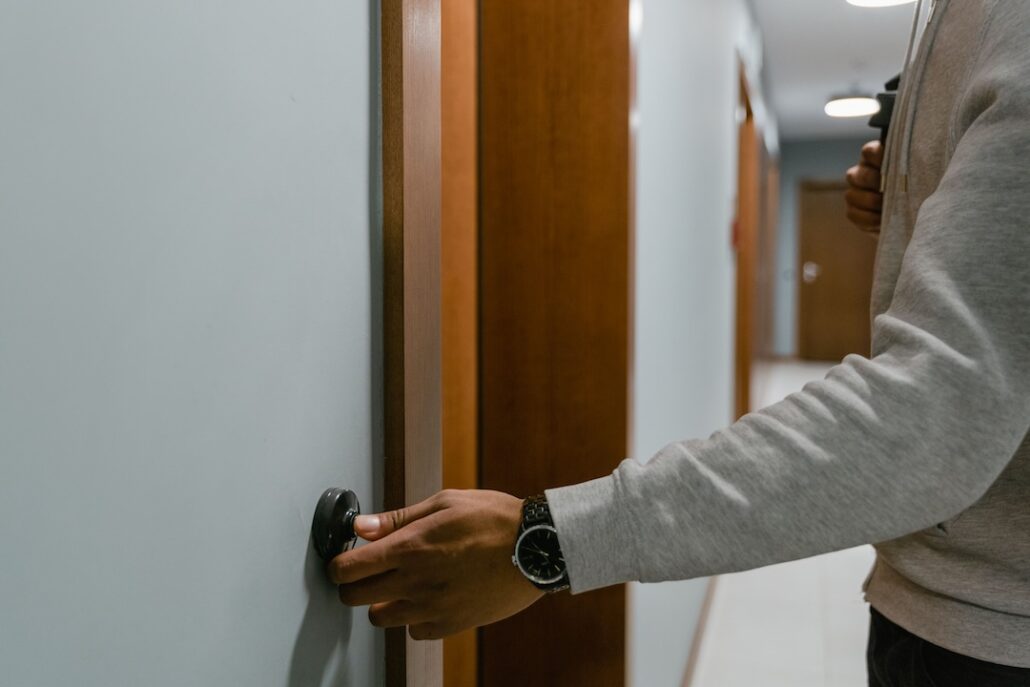
If you live in a detached home, your doorbell camera most likely faces your own yard and the street directly in front of your home. Condos and apartment buildings have a different story altogether, as they usually face a shared hallway. A camera mounted on your unit door may not only see a shared hallway, but it may face directly into a neighbour’s living space.
No wonder condo doorbell camera rules are usually stricter. Condo corporations and strata councils can set bylaws, require approval before installation, or order a camera removed (often with fines attached). In one B.C. case, for example, a Langley strata manager told a renter his doorbell camera infringed on other residents’ privacy and asked him to remove it—or face a $200 weekly fine. The dispute ended up before the province’s Civil Resolution Tribunal.
If you’re a renter, you may also need to take extra steps, such as getting your landlord’s permission before installing a doorbell camera and avoiding damage that could affect your lease or damage deposit. At the same time, landlords can’t use cameras in ways that interfere with their tenant’s right to reasonable privacy.
Best Practices to Protect Yourself (and Keep the Peace)
A few simple settings combined with a little courtesy can go a long way toward avoiding disputes (and dirty looks):
- Set privacy zones: Most doorbell apps let you black out parts of the frame, such as a neighbour’s door (or front window) or the house across the street.
- Adjust motion zones: Limit alerts and recordings to your own walkway and porch.
- Turn off audio recording: You should be able to keep two-way talk even after disabling recorded audio.
- Shorten cloud storage: Avoid keeping footage longer than you need it.
- Think before you post: Sharing clips of identifiable people on social media or neighbourhood apps creates a whole ‘nother type of privacy problem.
- Talk with your neighbours: A quick heads-up, an offer to show them what your camera sees, and signs showing your home has a security system can help prevent misunderstandings (and better protect your home).
- Get approval first: Especially if you live in condos and rentals, save yourself some hassle and get permission before you install your doorbell camera or security system.

Stay Secure and on Good Terms
The goal with a doorbell camera is to make your home safer—not your neighbours less friendly. By understanding the doorbell camera laws in Canada as well as your province and municipality, making a few minor setting adjustments, and keeping your neighbours in the loop, you can do two things at once: protect your front porch and everyone’s privacy.
Want help getting it right from the start? Check out our packages or call (888) 660-2814 for a free quote. Our professionals can help you choose, position, and configure a system to respect your neighbours and Canada’s privacy laws.