

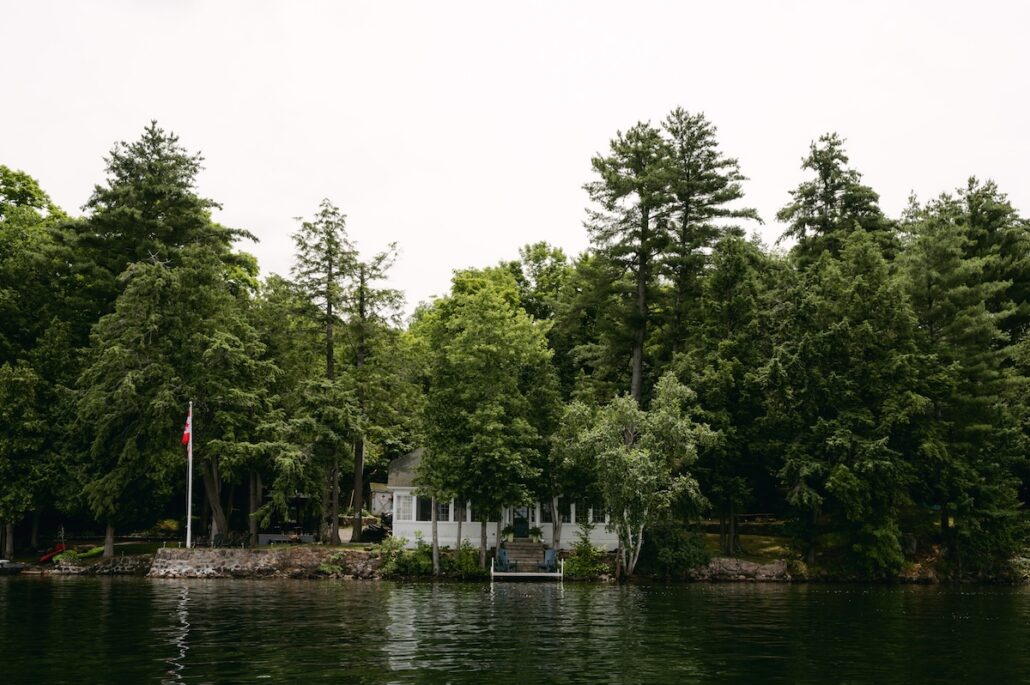
For the 1 in 10 Canadians who own a cottage, closing it up is a yearly ritual. Usually around Thanksgiving weekend, they bring in the dock, shut off the water, and secure the shutters, whether on Muskoka Lake, tucked into the Kawarthas, or perched over Okanagan Lake. The cottage then remains empty until the May long weekend.
That long stretch is often when cottages are most at risk. Break-ins, burst pipes, curious wildlife, and vandalism can all go unnoticed for weeks, if not months, with no one nearby to spot the damage.
The right cottage security system in Canada is built for these long vacancies—here’s what to look for and the risks it needs to cover.
Why Cottages Are Most Vulnerable in the Off-Season
Unless you’re a snowbird, your primary home likely rarely sits unchecked for more than a week or two. A cottage, on the other hand, can go literally months without a visit. Unfortunately, that leaves plenty of time for small issues to grow into big problems.
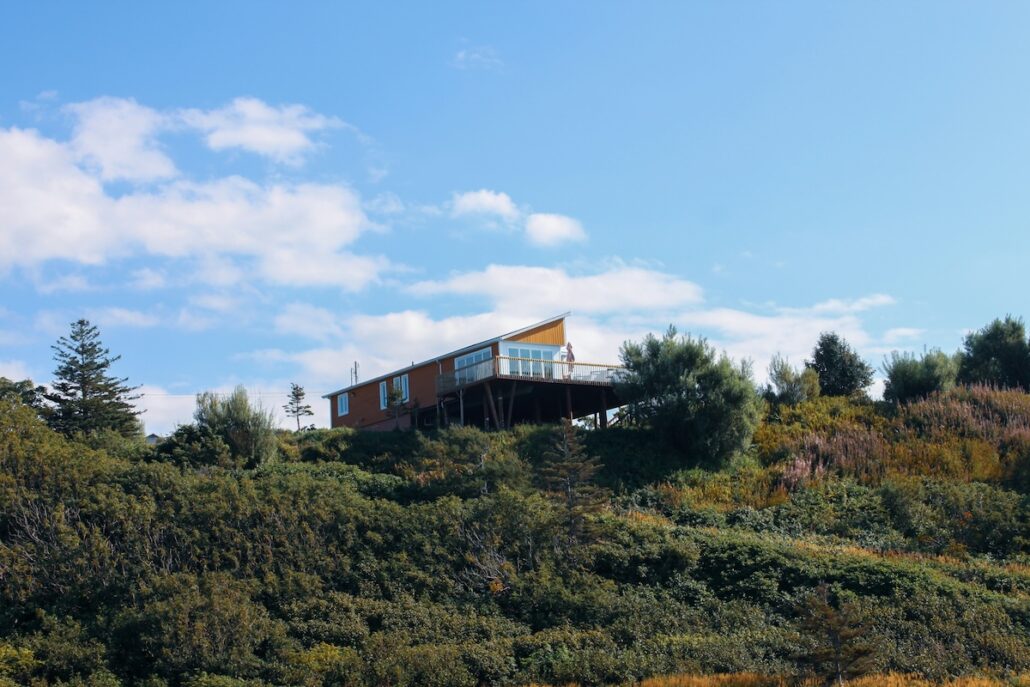
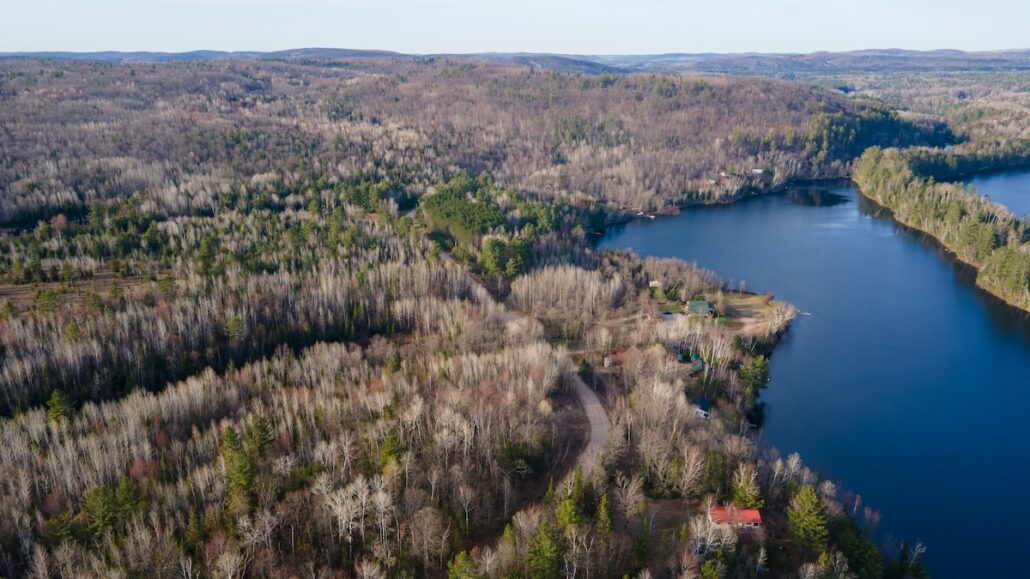
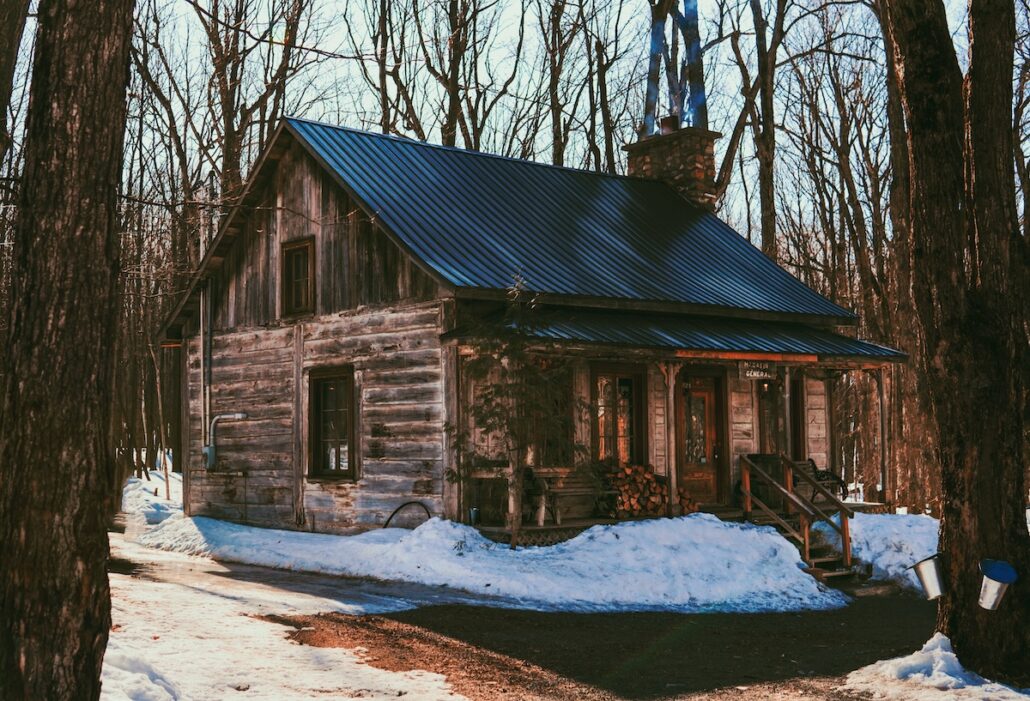
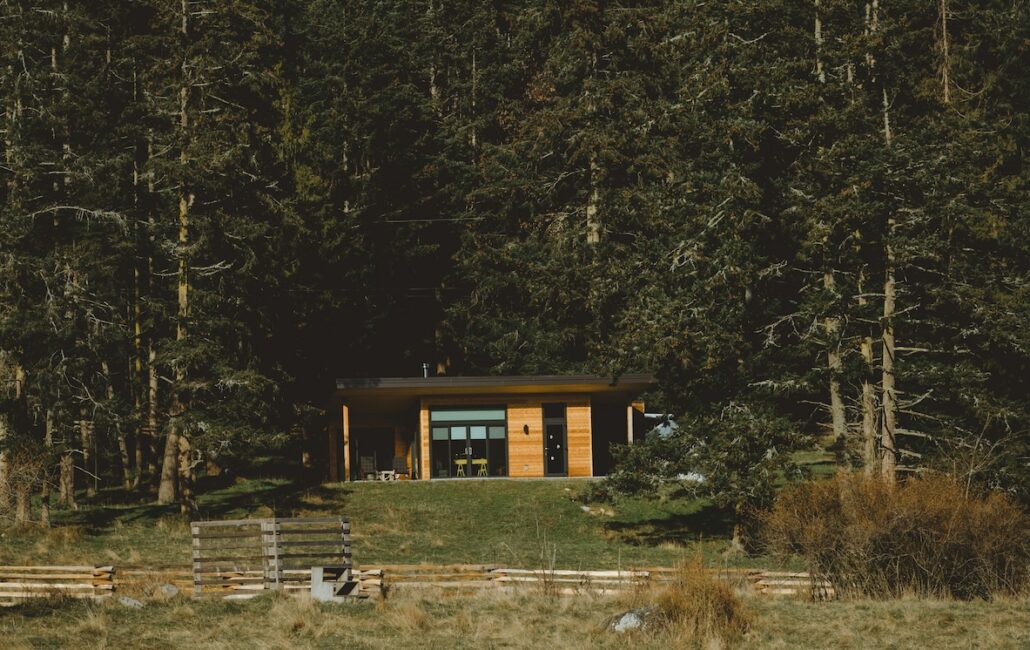
In addition, many cottages are isolated—by design. This increases the risk. Once the summer crowds leave Haliburton County or the Shuswap, the cottage roads go quiet. And most neighbours who likely would have noticed a broken window or a door left open are gone as well. Some properties are buried in snow—only reachable by snowmobile—so even if someone spots trouble, finding a way to get there can take time.
Add in unpredictable weather patterns and the fact that anyone familiar with cottage country knows most places close in October and don’t reopen until spring, and it’s not surprising that these unwatched properties are easy targets, difficult to protect from intruders (both human and animal), severe weather, and often slow-moving disasters, such as power outages and burst pipes.
Cellular-Monitored vs. Wi-Fi Systems for Cottage Security
Many cottages weren’t built for connected tech—in fact, that’s often one of the most attractive aspects. This is where people go to get away. Landlines are often nowhere to be found. And the internet ranges from patchy to nonexistent. Cottage owners who want to stay connected over the summer also often pause service over the winter. After all, no one will be there, so why spend the money?
If your security system is Wi-Fi dependent, that can pose a problem. Even with service, routers can lose power during a February ice storm. Alarms can go offline—with little or no warning.
Cellular-monitored systems can avoid this weak link by sending alerts over the cellular network that’s independent of the internet. Add in battery backup, and the protection continues even when that ice storm knocks out all the power.
Before you install one, though, make sure you have good cellular signal (and backup) at the cottage—not just in the closest town. Because coverage can drop off, a signal booster or external antenna may help.
Key Sensors to Cover Cottage Risks
Because off-season threats aren’t the same as those faced in occupied homes, you’ll need to set up your system differently.
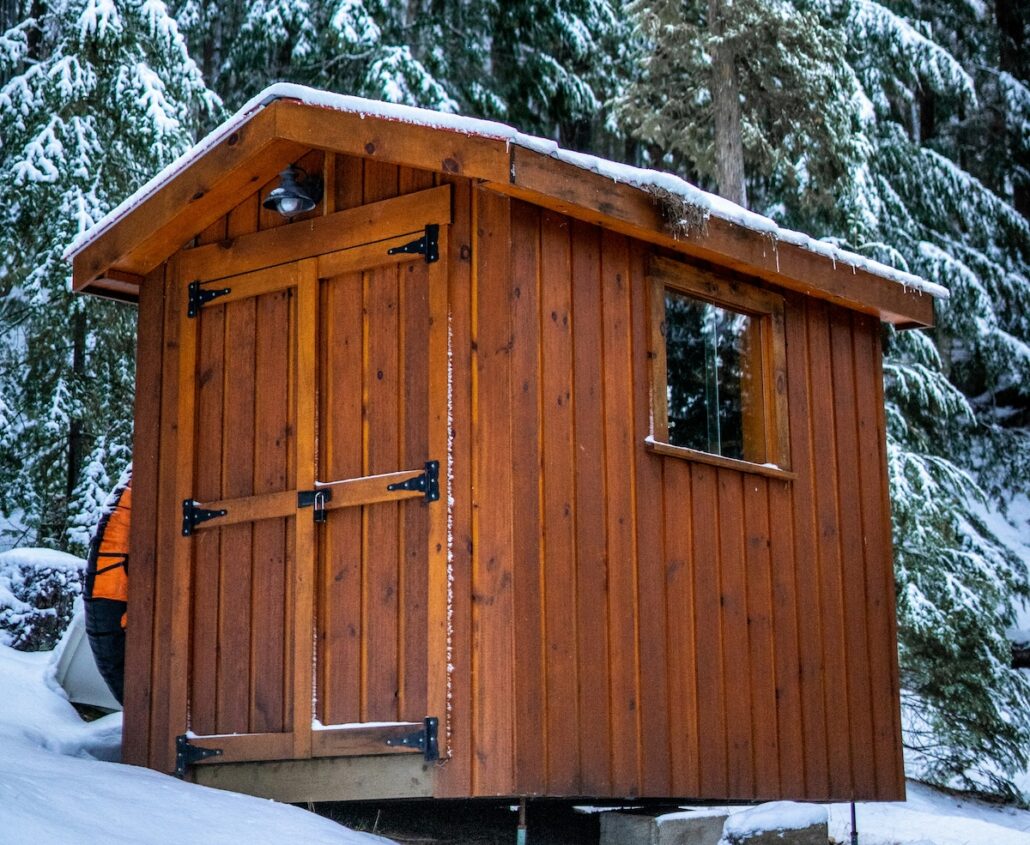
Break-ins and theft: Door and window contacts, motion detectors, and glass-break sensors cover the main cottage. However, you don’t want to forget outbuildings, such as boathouses, bunkies, and sheds where expensive boats, motors, and tools are stored.
Frozen and burst pipes: If you leave heat on low to protect pipes, a low-temperature sensor will alert you when the furnace can’t keep up with a serious cold snap. Even winterized cottages, though, can have a missed line or a failing heat trace cable.
Water leaks and flooding: Flood sensors near the pump, water heater, and sinks can catch leaks before they soak into the floors or walls. They’re especially useful during the spring thaw when meltwater can also find its way inside.
Wildlife: Critters are often looking for a warm, cozy place to sleep, and your cottage may seem mighty inviting to squirrels, mice, and raccoons. Bears can be a real concern from Algonquin to Kootenays. Installing pet-immune motion sensors may help reduce false alarms from smaller animals. And a temperature monitor can alert you when a door or window has been forced open.
Vandalism: Empty cottages—especially those near snowmobiles or back roads—can inadvertently draw unwanted visitors. Visible signage and cameras, fortunately, are proven deterrents.
Fire and carbon monoxide: If any heat source stays on, monitored smoke and CO detectors ensure someone is alerted, which is especially important when no one is there to hear a local alarm.

Remote Video: See for Yourself
When you’re hours from your cottage, a weather story can be alarming. Remote video lets you check out what’s happening at your cottage from the safety of your home after, say, a heavy snowfall or windstorm. Take a quick look on your phone to make sure your roof is holding, nearby trees haven’t come crashing down, and snow isn’t drifting against the doors and windows.
Remote cameras also help you decide how you need to respond to an alert. A cute raccoon on the deck doesn’t call for a long winter drive. A broken window? That’s a different story.
A Quick Security Checklist Before You Close Up
An empty cottage needs a system that works when you’re not there—without always-on Wi-Fi—that makes sure someone is alerted quickly if something goes wrong. So, before you close up and walk away for the season:
- Test every sensor and confirm the system can reach the monitoring centre.
- Make sure the alarm has a working battery backup in case you lose power.
- Replace sensor batteries, as cold can drain them quickly.
- Set your low-temperature alert threshold.
- Update your emergency contacts, including a local key holder or property manager who can check on the property.
- Check the camera views—making sure they won’t be blocked by snow.
Taking a few minutes before the end of the season can save you from some very unpleasant surprises come May.
Frequently Asked Questions
Do I need a security system if my cottage is winterized?
It’s a good idea. While winterizing does reduce the risk of frozen pipes, it doesn’t stop break-ins (human or wildlife), vandalism, or storm damage. A monitored system with intrusion, temperature, and flood sensors covers more risks than simply draining the plumbing ever can.
Will a cottage alarm work without internet?
It will if it’s cellular-monitored. These systems send alerts over the cellular network rather than Wi-Fi, so they keep working even if the internet is shut off for the season. However, you will need to check to make sure cellular coverage at the property is sufficient.
Does cottage insurance require a monitored system?
It depends on your insurer and policy. Some seasonal policies require monitoring during long vacancies. Others offer a discount for it. Ask your broker what’s required before you close up for the season—and get it in writing.
How can I tell if my cottage pipes are freezing?
A low-temperature sensor alerts you when indoor temperatures drop toward freezing, giving you time to call someone to check in before your pipes burst. For even more protection, place flood sensors near the pump, water heater, and sinks to catch any leaks early.
Can I check my cottage cameras without Wi-Fi?
With cameras that connect over cellular or support low-bandwidth settings, you can check on the property after a storm or verify an alert before you decide to make a drive.
Enjoy the Off-Season Without Worrying About Your Cottage
You shouldn’t have to lose sleep over your cottage throughout the winter months. With a cellular-monitored system, the right mix of sensors, and remote video to get your eyes on it from the comfort and warmth of your primary home, you’ll know what’s happening at the lake, valley, or mountains long before the May long weekend and—more importantly—be ready to act when you need to.
Want help getting it right before you close up? Check out our Home Alarm & Security packages or call (888) 660-2814 for a free quote. Our professionals can help you choose, place, and set up a system that’s built for a cottage that sits empty for months.