

Right now, many of us are tending gardens, exploring nearby national parks, attending festivals, and enjoying outdoor adventures—hiking, kayaking, biking, and more. We don’t mean to interrupt your summer fun. Yet while winter may be the last thing on your mind as the sun is shining so brightly, if you’re one of the million+ Canadians who head south when the snow flies, the months between now and your departure window are the time to lock down your home security plan for snowbirds.
Spoiler: The best way to secure your home while wintering south is to combine 24/7 professional monitoring, remote app access, and a trusted local check-in—so you’re alerted to problems when they happen… not when you return home in the spring. Perhaps to a home that may no longer even be habitable. A heartbreaking experience too many people come home to.
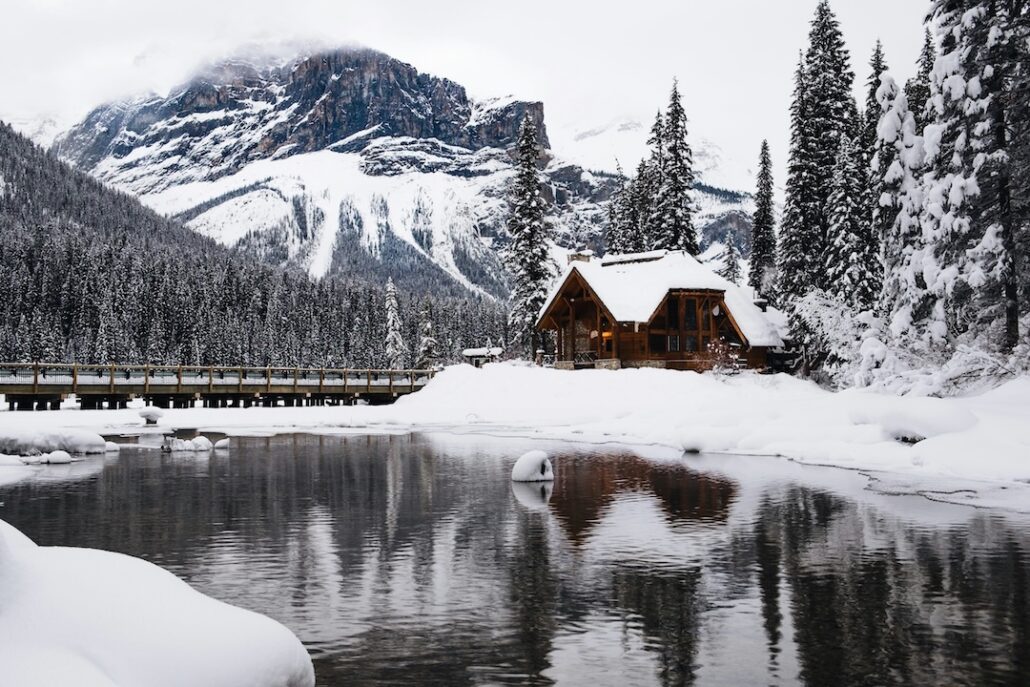
Why an Empty Home in Winter Comes with Different Risks
In the winter, an empty home isn’t just a regular home with no one there. It comes with a different risk profile, which means it needs a different type of treatment.
The biggest threats are often the invisible ones. At first. When temperatures drop and there’s no one home to run water or keep the heat stoked, pipes—especially those in exterior walls, basements, and unheated spaces—can freeze and burst. With no notice and no one to notice. If left undetected for days or perhaps weeks, damage only compounds.
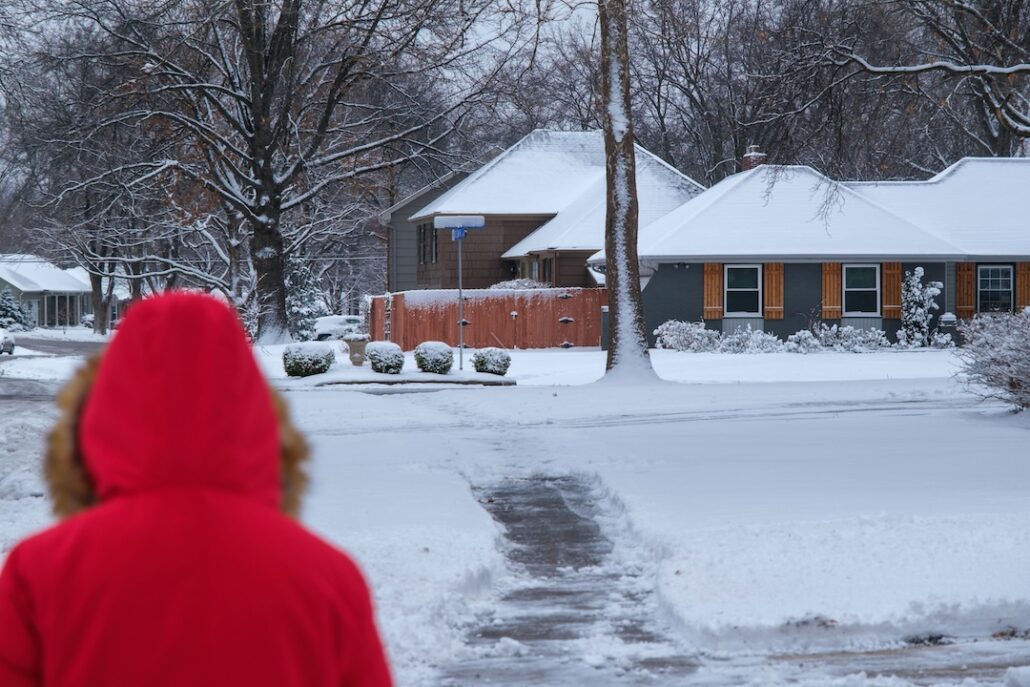
Then, of course, is the fact that the house looks empty. No one’s turning lights on and off. There’s no car driving in and out of the garage. The walkway is left unshoveled. These are all signals telling potential intruders that nobody’s home. Add in an overflowing mailbox, flyers left on the door, and few, if any, footprints in the snow, and your home clearly looks vacant and, thus, vulnerable.
The Real Cost of Waiting to Find Out
Perhaps this isn’t your first year as a snow birder. Lucky! In the past, you’ve arranged for your good neighbour to check in, and they have done so diligently. So dependable. That’s enough, right?
Until the worst happens.
We know someone who recently went through exactly this experience. Everything went well. They were enjoying their time in Mexico, relaxing and enjoying the warmer weather. Until a pipe burst behind a kitchen wall.
With no one there to catch it or see how quickly it was progressing, the leak unfortunately went undetected for weeks. By the time it was not only found but they were able to return to assess the issue, mold had already taken hold behind the cabinets, in the floorboards, and beyond.
A simple fix turned into a complete renovation as the entire kitchen (and into the living room) had to be torn out, mitigated, and rebuilt. Heartbreaking.
This was through no fault of the dependable neighbour or anyone else. He never walked into standing water or noticeable water flowing. A weekly check-in is a smart precaution. It’s just not built to catch a problem that compounds by the hour. A pipe doesn’t wait to burst per your schedule or when someone’s watching.
Fortunately, remote monitoring and leak detection are designed to catch issues before they become big problems. A temperature or water sensor would have flagged the issue within minutes, not weeks. In time for an emergency plumber to be arranged rather than a full kitchen renovation.
Home Security for Snowbirds Winter Monitoring
Home monitoring differs depending on the situation. When leaving a home empty for months through the worst parts of winter, you want to ensure you have:
- Freeze sensors, which alert you as soon as indoor temperatures dip enough to put pipes at risk. Well before anything bursts.
- Water leak detection should be placed near appliances, water heaters, and vulnerable areas where the moisture can be caught quickly—before it leads to significant damage.
- Real-time app alerts, which notify you instantly—no matter where you are. You shouldn’t have to wait for a weekly summary to find out something’s changed.
- Smart thermostat integration so you can confirm your home is maintaining a safe minimum temperature, even during that winter storm you’re happy you’re avoiding.
- Video verification, so you have eyes on your property, to confirm what’s really happening—long before you get that unfortunate call from your neighbour.
Professional Monitoring vs. A Friendly Neighbour
Asking your neighbours to keep an eye on your home and check in regularly is still a good idea. It’s just not a complete plan. A weekly walk through can catch a lot of things, such as a branch that’s fallen across the driveway or other obvious issues. They can also make sure flyers aren’t stacking up on the doorstep, and the footprints in the snow make the home look a little less empty.
That said, they can’t always catch some of the hidden dangers—that leak that started right after they left or a temperature drop that’s less noticeable when you don’t take off your coat and stay a while. Most neighbours also can’t diagnose what they’re seeing (and they shouldn’t be expected to).
Professional monitoring doesn’t necessarily replace a friendly neighbour, but it can expand protection. 24/7, the system watches for freeze conditions, water leaks, and unusual activity—with a team that’s ready to respond the moment something goes wrong.
Your Pre-Departure Checklist
Before you head south for the winter, run through this list:
- Install freeze and leak sensors in vulnerable areas, such as the basement, kitchen, bathrooms, laundry, and exterior walls.
- Set your thermostat to a safe minimum, and confirm remote access works.
- Shut off or drain exterior water lines if they won’t be used.
- Arrange snow removal.
- Put mail on hold for pickup or have it forwarded.
- Test every app alert before you leave
- Give a trusted local contact access and instructions as a backup since you’ll be farther away.
Wintering where it’s warmer can be a well-deserved break—especially for those who have battled the weather long enough.
If you’re planning to winter south this year and want home security for snowbirds designed with a home that’s empty for months in mind, contact us below or call (888) 660-2814 to speak with one of our friendly security experts.
We’re here to help you put together a snowbird-specific package with freeze and leak detection, remote alerts, and monitoring, so you can relax and enjoy your sunny days all winter (and summer) long.