


If you’ve just searched “carbon monoxide smell,” it’s probably because you have concerns. Maybe there’s a strange odour? Or everyone in the house is feeling a bit unwell (e.g., headaches, fatigue, nausea, dizziness, or shortness of breath).

The most important thing to know immediately is that carbon monoxide (CO) itself has no smell at all. In contrast, natural gas leaks usually have a strong odour—similar to rotten eggs. Interestingly, natural gas also has no smell naturally. The scent is added intentionally to help detect natural gas leaks more easily.
Gas leaks and carbon monoxide exposure can be dangerous—even life-threatening. And both affect Canadian households every year, especially when we’re heating our homes during the colder months. So, it’s vital to recognize the signs and know what to do.
Before we go into the differences and how environmental sensors can protect your home, first and foremost, if you believe you may have a gas or carbon monoxide leak, please leave your home immediately and call emergency services. This information is provided for general awareness only. In the event of a leak, professional help should always come first to ensure everyone’s safety.
Gas Leak vs. Carbon Monoxide Leak: A Quick Guide
Unsure what type of leak you could be dealing with? Here’s a simple comparison:
It’s most likely a natural gas leak if:
- You smell sulfur (like rotten eggs)
- You hear a hissing sound, especially around a gas line or gas appliance
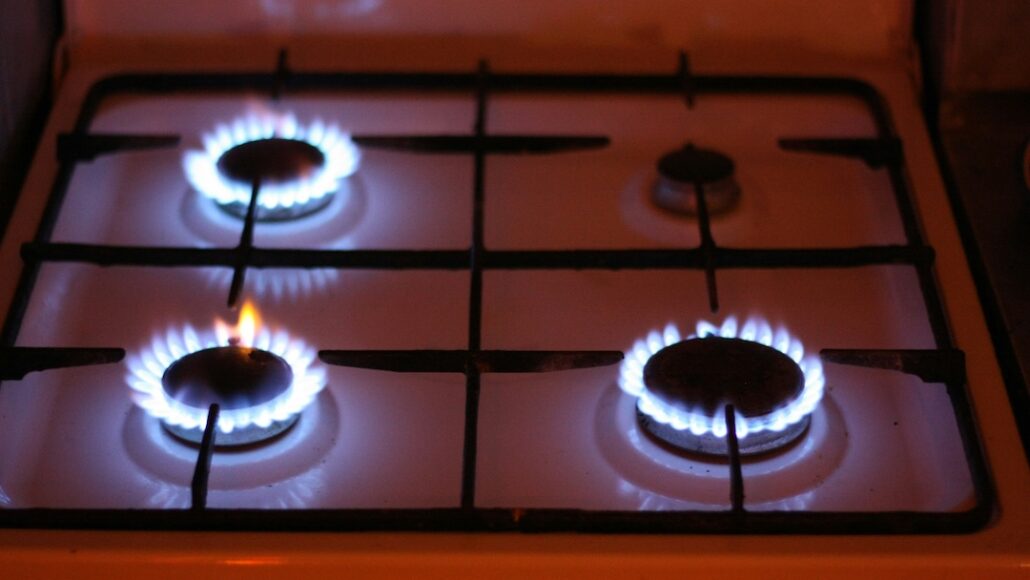
- A burner flame looks yellow rather than blue
- Houseplants suddenly die
- You feel unwell when inside your home with symptoms like headaches, dizziness, nausea, eye or throat irritation, fatigue, or breathing difficulties
The main dangers of a natural gas leak are fire or explosion. At high levels, natural gas also displaces oxygen.
It’s most likely you have a carbon monoxide leak if:
- There’s NO smell at all
- You feel unwell when indoors but feel better when you go outside or leave your home—symptoms include headache, dizziness, shortness of breath, nausea, and fatigue, which can develop into more severe symptoms, such as vomiting, loss of consciousness, coma, and even death
- Multiple people (or pets) feel unwell at the same time—and you’re not sharing a cold or infection
- You use fuel-burning appliances like a gas furnace, stoves, generators, or a fireplace
The main danger is carbon monoxide poisoning, which can be a silent killer. And remember, there’s no such thing as a carbon monoxide smell. There’s only one reliable way to detect CO: with a carbon monoxide detector.
How Common Are These Dangerous Gas Leaks in Canada?
Carbon monoxide poisoning is one of the leading causes of unintentional poisoning deaths in Canada. This isn’t surprising as carbon monoxide is colourless, tasteless, and most importantly, odourless. In fact, CO exposure leads to nearly 300 hospitalizations with 50 to 60 deaths per year, and those numbers are believed to be underestimated.
Carbon monoxide poisoning is clearly a common concern we should all take more seriously. Especially during the long fall and winter heating season—and because it’s often preventable.
Natural gas leaks and explosions are much rarer due to the safety measures built into gas distribution systems. But they do occur. And they can be highly dangerous and damaging—with a risk of fire, explosion, and serious injury. Ontario, for instance, has experienced 179 natural gas explosions—leading to 2 fatalities—within the last 11 years.
Thus, proper maintenance and detection are essential.
What to Do Immediately if You Suspect a Gas Leak
When it comes to any type of gas leak, don’t second-guess your symptoms or instincts. If it feels off, it’s important to act right away.
–> Treat any rotten-egg or sulfur-like smell as an emergency. Immediately leave the building. Don’t turn any lights or appliances on or off. Don’t use any lighters, matches, or candles—any sparks could lead to a fire or explosion risk. Just leave calmly and quickly.
Once you and your family are safely outside, you can then use your phone (but not before then). If possible, open doors and windows on your way out. Once you’re out, call your gas utility or emergency services.
Wait until the safety crew gives the all-clear before going back inside.
–> Remember, there’s no carbon monoxide smell, so you may not know there’s a leak unless you’re developing symptoms, or preferably, you have a detector that can alert you.
Again, you’ll want to leave immediately if your CO detector alarm sounds or if people in your home feel unwell—dizzy, nauseous, weak, or confused—yet symptoms improve when they go outside. CO poisoning is often a slow, gradual process that feels a bit like the flu. Symptoms are often discounted, which makes it especially dangerous.
Once you’ve left, call your local emergency number and get medical help if anyone has symptoms. Don’t go back inside until emergency professionals have confirmed it’s safe to do so.
In short, when in doubt, get out. It’s always better to err on the side of safety. Leave the home, call for help, and wait outside or at a neighbor’s home.

How to Detect Leaks—and When to Call a Professional
With a gas that you can’t smell or see and leaks that can happen without warning, how do you know when they’re happening? The best (and safest) way is with the use of environmental sensors.
In fact, the only reliable way to detect CO is with a carbon monoxide detector. To ensure your entire home is safe and protected:
- Install CO detectors on every level of your home, especially outside of sleeping areas and near fuel-burning appliances
- Test your detectors monthly to ensure they’re working properly
- Replace the batteries as recommended by the manufacturer (typically yearly)
- Replace detectors every 5 to 7 years or as recommended.
Because companies have added a rotten-egg odour to natural gas, you’re more likely to notice leaks quickly. However, odour levels can go up and down, and some folks have better sniffers than others. Gas detectors are a simple way to add extra protection.
Consider installing natural gas detectors near appliances and in furnace rooms. And use the manufacturer’s recommendations to determine the correct placement.
If any alarms go off, you’ll want to leave immediately and reach out to professionals.
Call professionals right away if:
- You smell gas—even if just faintly
- Your CO or natural gas detector alarm goes off—especially if it goes off repeatedly
- More than one person (or pet) feels sick at the same time
- Your furnace, boiler, or other gas appliances appear to be malfunctioning
It’s also a smart idea to schedule regular—often annual—inspections for any fuel-burning appliances or fireplaces. This can help ensure vents, chimneys, and exhausts stay clear—especially during the winter months when they get more use.
Monitored Environmental Sensors Over Carbon Monoxide Leak Smells
Since leaks can be so difficult to detect, the safest option for any potential gas leak is a professionally monitored detector, which can:
- Alert you when you’re home or away—awake or asleep
- Trigger emergency responses faster when something goes wrong
- Help protect your home and loved ones 24/7.

Photo by Clay Banks on Unsplash
Safety Starts with Early Detection
Yes, gas leaks and carbon monoxide exposure are rare. But when they do happen, they can be extremely dangerous—even deadly. And relying on your own senses alone isn’t enough—especially since carbon monoxide has no smell.
There are ways, however, to keep your home and family protected. For instance, make use of environmental detectors, keep appliances well-maintained, and know when to leave and call for help. Professional monitored systems add an extra layer of protection—helping ensure you’re alerted quickly if a problem does arise.
At Home-Alarms.ca, we help Canadians choose and install environmental detectors, including CO, along with professionally monitored security systems designed to keep your home, property, and most importantly, loved ones safer—day and night.
If you’d like expert guidance on the right detectors for your home (or are ready to upgrade your current setup), we’re here to help. Contact us at 1-855-518-4458 and chat with one of our friendly experts to learn more about environmental sensors and home safety protection.