

In most parts of Canada, it’s not too hard to picture a winter storm rolling through, knocking out your power, and taking your internet down with it. We’ve all experienced it. Most of the time, it’s an inconvenience rather than a full-on emergency. Unless, that is, your home security is down too—especially if you don’t know it right away.
For many homeowners, it’s not until a true emergency hits that they realize their “smart” security system is more vulnerable than they thought. Indeed, when you lose internet, you don’t just lose your ability to stream or scroll. You can also lose your monitoring. And without monitoring, you lose vital protection.
But you don’t have to.

Cellular alarm monitoring communicates the same way your cell phone does—over the cellular network, rather than on your home internet or phone line. It doesn’t matter if you experience a power outage, an internet outage, or a cut landline: the signal isn’t dependent on any of them.
Given how Canadian winters ensure we’re no strangers to these scenarios, it’s important to understand what cellular backup does, why it matters, and how to tell if your current system is protecting you and your home—or leaving you exposed.
When Your Home Alarm System Can’t Call for Help
Most home alarm systems start with one of two ways to reach out for help: 1) a landline, 2) your home’s internet connection. Both have, historically, worked well. At least most of the time.
Landlines, of course, are increasingly vanishing in our modern era. Most families have traded in old-school landlines for cellphones. And for good reason, especially when it comes to security. Phone lines can be cut from outside the home in mere seconds. In the past, intruders exploited this vulnerability when breaking in. Now, fewer homes use this outdated technology. Fewer still plug their systems into them.
Wi-Fi and Internet-based monitoring solved many of the issues of phone line-dependent systems. But they also created a new one. Why? Because they only work when you have internet service. Storms, high winds, network outages, a downed line, physical damage to cables or fiber, and even local hardware (e.g., router) failures are unpredictable and can lead to a loss of internet access instantly. And often, these types of events can take your monitoring offline without alerting you in any way.
Without a warning, you can have a system that may look just fine, but it’s not able to communicate with anyone.
Take a pause and sit with that for a moment. Asking whether home security works without Wi-Fi is an important question. And the honest answer? For most standard systems, no. At least not to monitor and alert.
Motion sensors should still trip a local alarm. But if that signal isn’t being relayed to a monitoring system or your phone, you may not realize an alarm has been triggered if you’re not in listening range.
If the internet goes out on your security system, most Wi-Fi-dependent systems will no longer connect to your monitoring system. Depending on the system, you may not discover this until you try to arm the system and get an error or, worse, until something happens and no one responds.
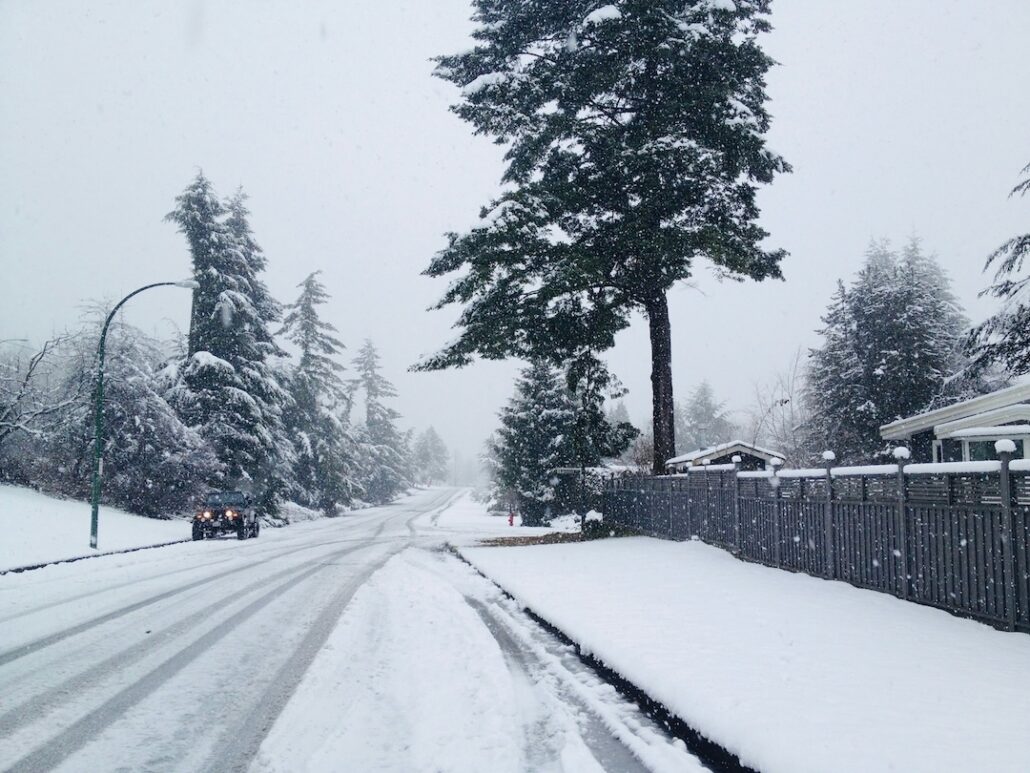
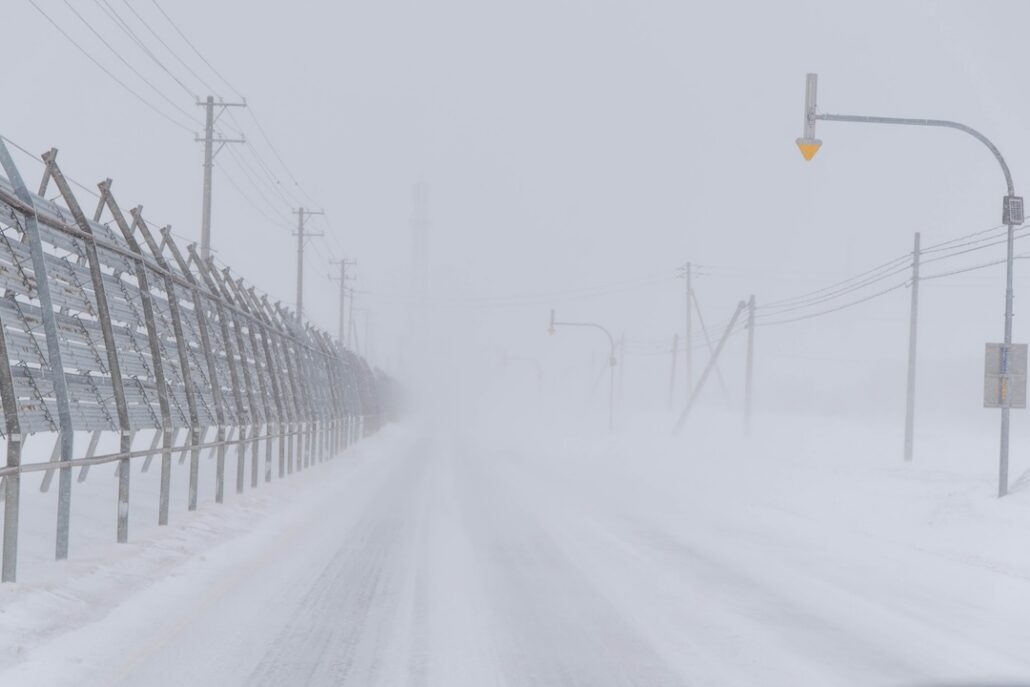
Canadian winter ice and snow storms are notorious for creating these conditions. And if you live in a rural or semi-rural area, you’re at an even greater risk, as a downed line can take out service for longer. No one wants to go without protection for extended periods.
How Cellular Backup Solves the Connection Problem
Cellular alarm monitoring connects differently, which is why it holds up when Wi-Fi and landline systems don’t.
Instead of routing through your home’s internet or phone line, a cellular-connected system uses a cellular network. Yes, the same one that keeps your smartphone online. That also means it isn’t tied to the power grid the same way internet connections are. When the power goes out, the internet goes out with it. The cellular signal, on the other hand, continues to work—keeping that link between your security service and monitoring center connected.
When paired with a battery backup on the control panel and a power block for your phone, you’ve got a system that can continue to function through even extended outages—as long as the batteries hold. Fortunately, most modern systems have battery backups that can last significantly longer than a typical outage does.
In other words, cellular backup for home security goes beyond “nice to have” to become an essential baseline for your system. It doesn’t need to replace Wi-Fi monitoring. In fact, many systems use Wi-Fi as the primary connection. But when that drops, cellular becomes the automatic backup, ensuring you have a second option to stay protected—no matter what happens with your power or internet connection.
Before the next storm or outage, it’s a good idea to confirm what actually happens when you lose power.
Peace of Mind Shouldn’t Depend on the Weather
You don’t want a fair-weather security system. You want one that’s monitoring your home no matter what the conditions. In good weather and bad, when the internet is humming along and when the ISP or router decides to act up.
Cellular backup closes that gap and can be the difference between a security system that is technically well installed and one you know you can count on all the time.
If you’re not sure whether your current system has cellular backup—or you’re getting ready to set up a new system and want to make sure it’s built to handle Canadian winters, contact us below or call at (888) 660-2814 to speak with one of our friendly security experts. We’ll walk through your home, your location, and your specific concerns to help you find a setup that remains reliable snow or shine, wind or calm, internet or no.